Street
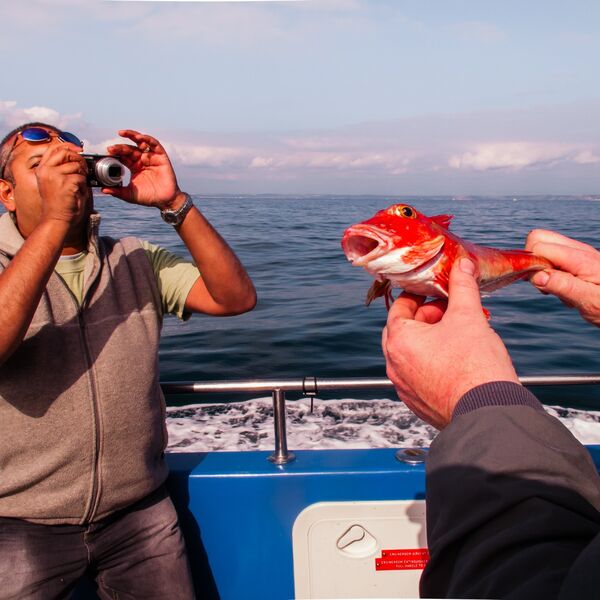
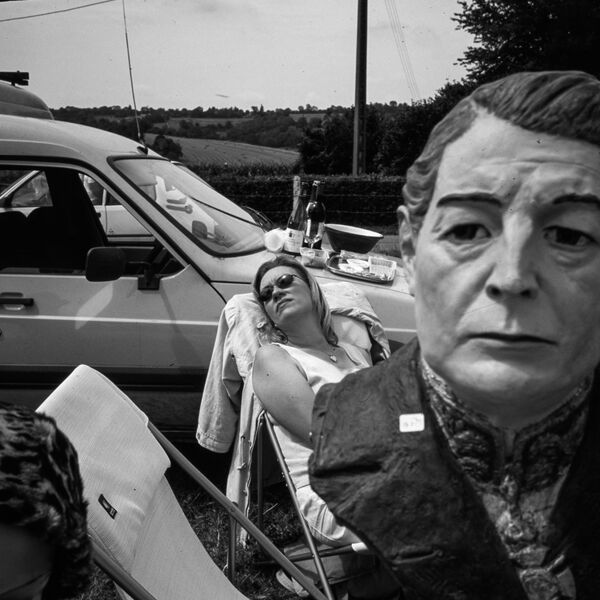
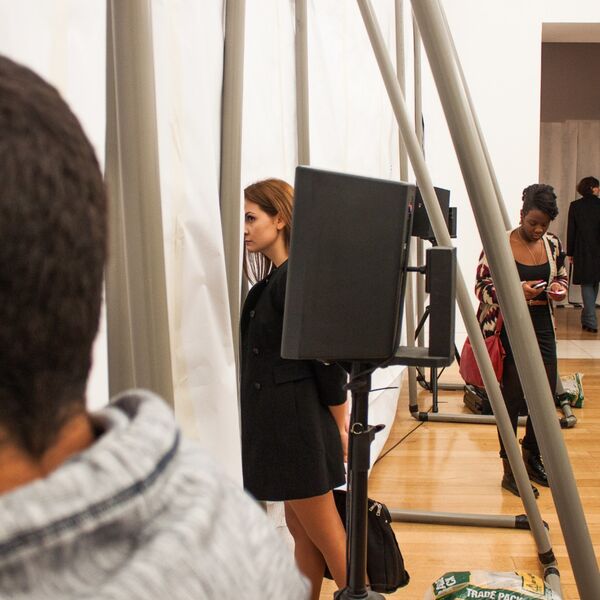
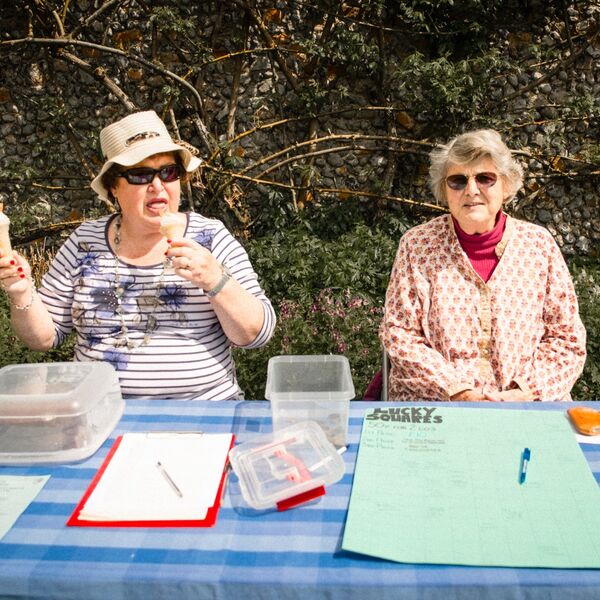
I follow the traditions of British street photography, and have been doing so for over 50 years!
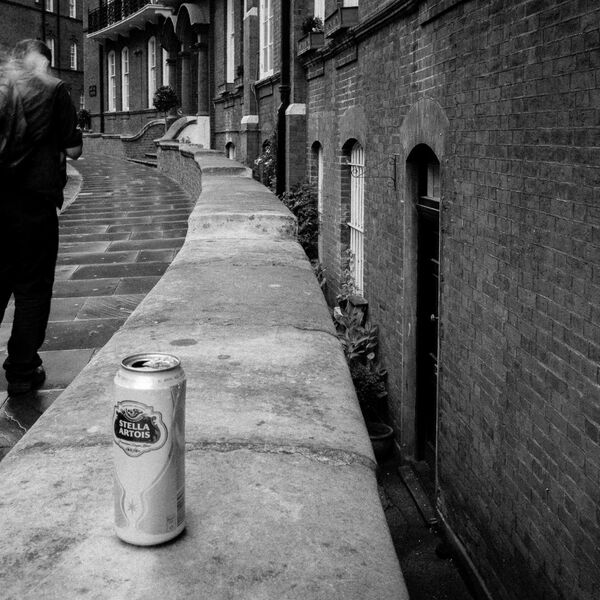
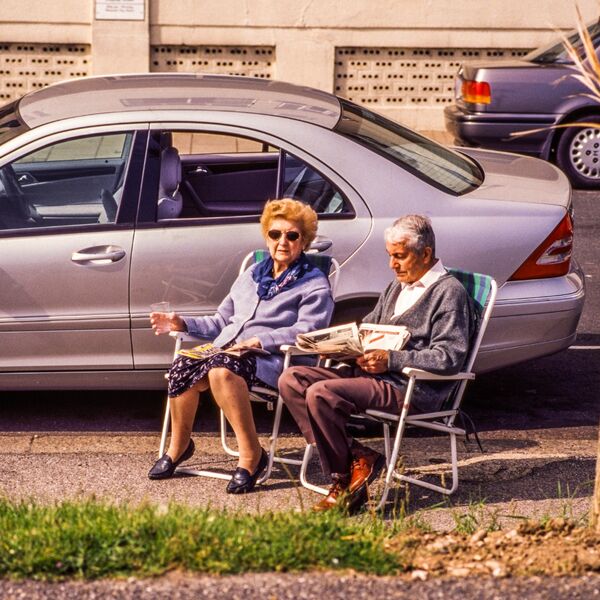
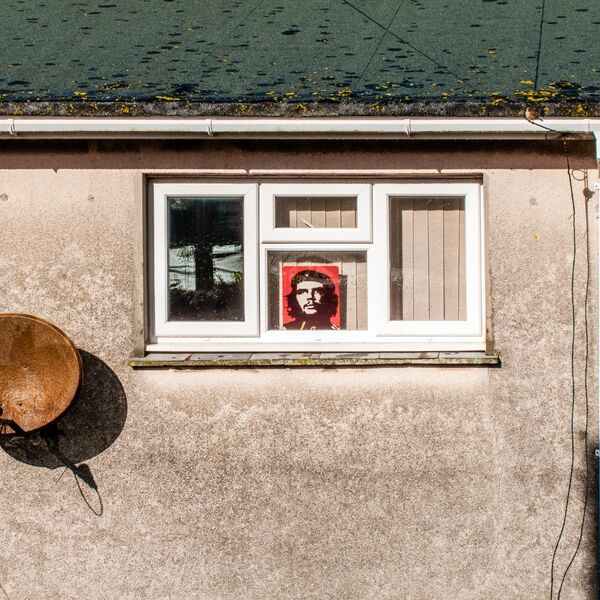
British street photography has long been rooted in an observant, quietly ironic engagement with everyday life. Emerging strongly after the Second World War, it developed less as a spectacle-driven practice and more as a form of social record—attentive to class, custom, and the small dramas of ordinary existence. Photographers such as Tony Ray-Jones, Don McCullin, Martin Parr, and Chris Killip helped shape a tradition that values patience, humour, and empathy over theatricality. Their work often reveals a peculiarly British sensibility: self-aware yet restrained, affectionate yet unsentimental, alert to both the dignity and absurdity of daily life.
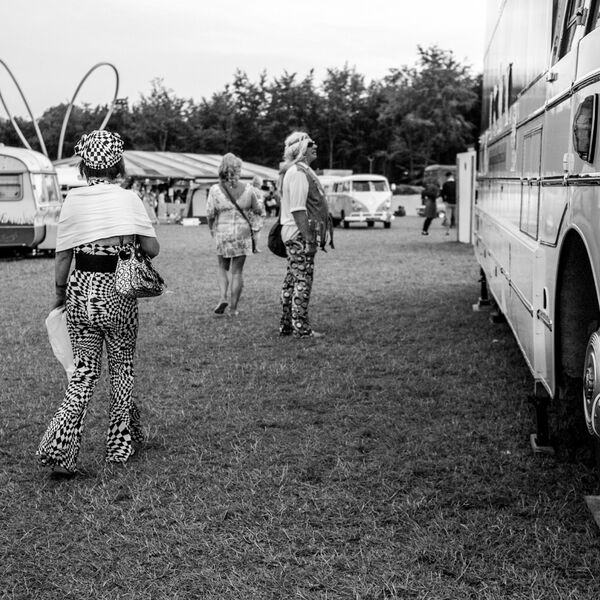
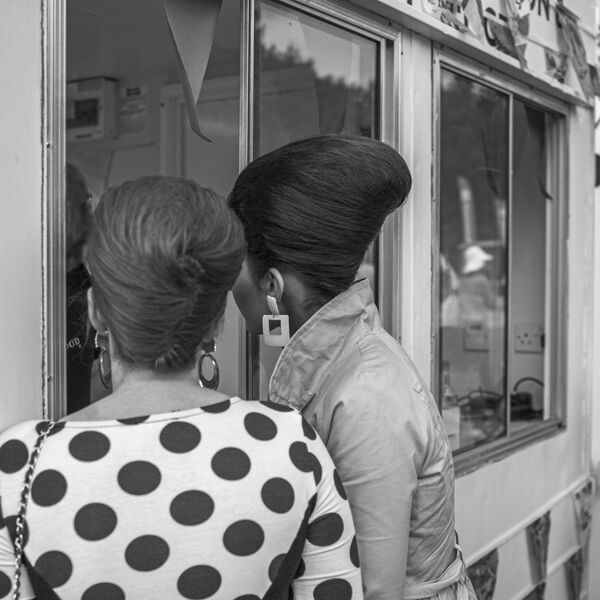
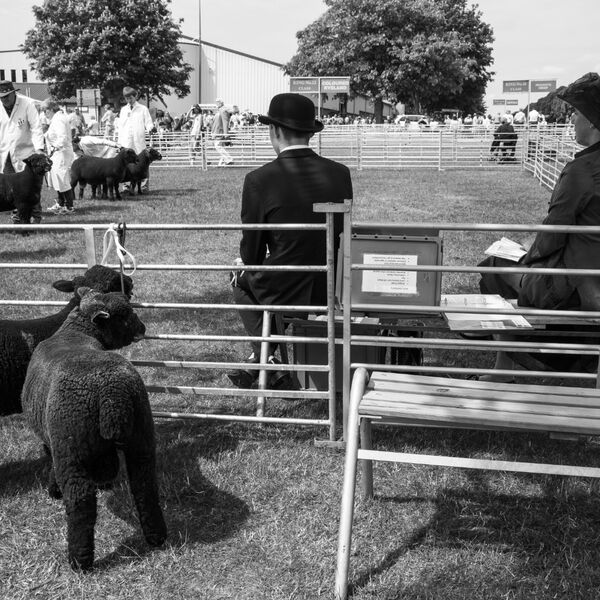
A distinctive feature of British street photography is its fascination with communal rituals and shared spaces. The seaside—windswept promenades, striped deckchairs, ice creams and defiant holidaymakers under grey skies—has become an enduring stage for observing national character. Agricultural shows, village fêtes, brass-band competitions, working men’s clubs, and odd local events provide similarly rich terrain, where tradition, eccentricity, and social performance intersect. These settings allow photographers to explore how people gather, dress, behave, and belong, often revealing subtle tensions between nostalgia and change.
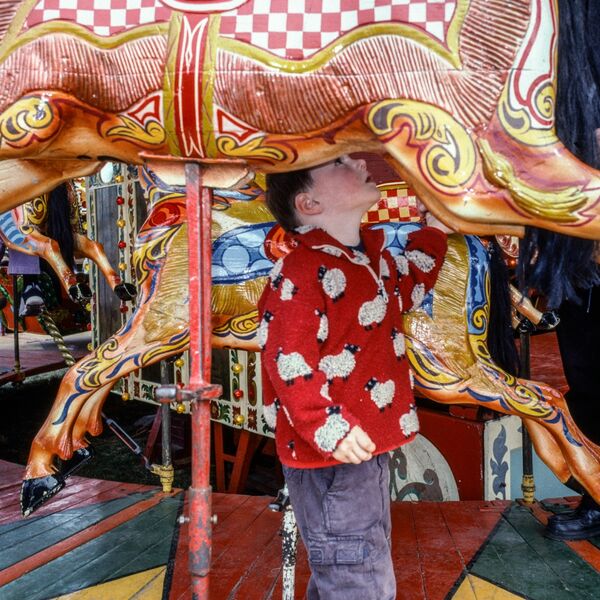
Circuses, fairgrounds, and travelling shows also occupy a special place in the British photographic imagination, embodying both spectacle and melancholy. On the margins of everyday life, they offer moments of heightened visual drama while remaining grounded in the realities of labour, weather, and place. Across all these traditions, British street photography remains less about the decisive moment in a heroic sense, and more about sustained looking—returning to familiar environments and allowing meaning to accumulate. In doing so, it forms a collective portrait of Britain that is intimate, wry, and deeply attentive to the social fabric.
British street photography has long been rooted in an observant, quietly ironic engagement with everyday life. Emerging strongly after the Second World War, it developed less as a spectacle-driven practice and more as a form of social record—attentive to class, custom, and the small dramas of ordinary existence. Photographers such as Tony Ray-Jones, Don McCullin, Martin Parr, and Chris Killip helped shape a tradition that values patience, humour, and empathy over theatricality. Their work often reveals a peculiarly British sensibility: self-aware yet restrained, affectionate yet unsentimental, alert to both the dignity and absurdity of daily life.
A distinctive feature of British street photography is its fascination with communal rituals and shared spaces. The seaside—windswept promenades, striped deckchairs, ice creams and defiant holidaymakers under grey skies—has become an enduring stage for observing national character. Agricultural shows, village fêtes, brass-band competitions, working men’s clubs, and odd local events provide similarly rich terrain, where tradition, eccentricity, and social performance intersect. These settings allow photographers to explore how people gather, dress, behave, and belong, often revealing subtle tensions between nostalgia and change.
Circuses, fairgrounds, and travelling shows also occupy a special place in the British photographic imagination, embodying both spectacle and melancholy. On the margins of everyday life, they offer moments of heightened visual drama while remaining grounded in the realities of labour, weather, and place. Across all these traditions, British street photography remains less about the decisive moment in a heroic sense, and more about sustained looking—returning to familiar environments and allowing meaning to accumulate. In doing so, it forms a collective portrait of Britain that is intimate, wry, and deeply attentive to the social fabric.